
Real Estate
The average US 30-year mortgage rate falls to 7.18% this week, its third straight decline
By Marcus Chen
Advertisement · Why this ad?
Marcus manages the day-to-day editorial workflow across all brands, coordinating coverage assignments and ensuring editorial standards are met. He previously served as city editor at the Pioneer Press and holds a degree in Political Science from Carleton College.
More from Marcus →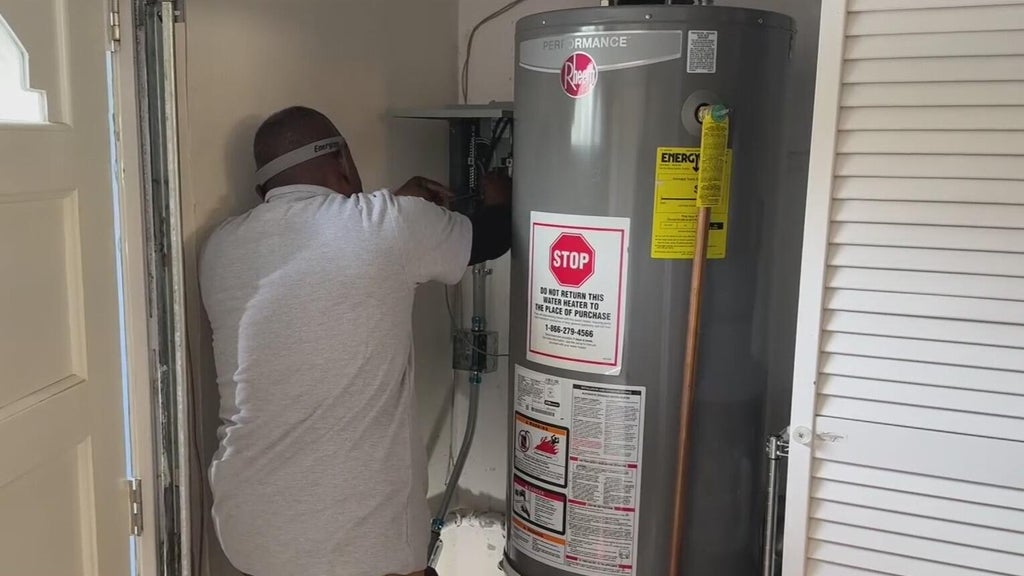
On a quiet Wednesday morning in Atherton, Maria Lopez watched her children play in her backyard, unaware that a new regulation could soon impact her family’s daily life. The Bay Area Air District announced a delay in its controversial ban on new natural gas water heaters, citing concerns about affordability and practicality for many households. This decision, made during a pivotal board meeting, offers relief to homeowners worried about costs but raises questions about the region’s push toward cleaner air.
The Bay Area Air District’s board of directors voted to postpone the ban on installing new natural gas water heaters from January 2027 to January 2028. The move also introduces several exemptions, including for low-income families earning less than 80% of the Area Median Income (AMI), and those participating in programs like Medi-Cal or CalFresh. Property owners paying more than 28% of their income on mortgage and taxes will also be exempted. The district’s goal remains to reduce nitrogen oxide emissions, which contribute to smog and asthma.
Existing water heaters can stay in place; the regulation targets new installations. But they must be replaced with devices that emit zero nitrogen oxides. The district emphasizes that these restrictions do not affect other gas appliances like stoves, dryers, or fireplaces. The delay aims to give households more time to adapt and avoid undue financial hardship, especially as the district recognizes that some homes lack space or electrical capacity for compliant units.
“With these practical amendments, the Board focuses the rule on properties that can most easily make the switch and gives relief to households that cannot afford the change without financial assistance,” said Philip Fine, the district’s executive officer. The exemptions are designed to protect vulnerable residents who might otherwise face costly upgrades or replacements. For example, homes with electrical panels below 100 amps or insufficient ventilation won’t be forced to retrofit immediately, acknowledging real-world limitations.
Many of these exemptions are rooted in the realities faced by residents in affluent communities like Atherton, where large, older homes often feature electrical systems that are outdated or undersized. For instance, some homeowners have electrical panels below 100 amps, which makes installing modern, zero-emission water heaters difficult without costly upgrades. These technical challenges are common in older homes, especially in neighborhoods with historic properties.
Board chair Lynda Hopkins highlighted that the delay balances public health with community realities. “This decision protects public health and respects what households can manage,” she said. The district’s analysis estimates that up to 85 premature deaths and 15,000 asthma attacks annually in the Bay Area are linked to pollution from gas-fired water heaters and furnaces. The move reflects a broader effort to curb nitrogen oxide emissions, which have been regulated since 1992, with a zero-emission standard adopted in 2023.
For residents like Maria Lopez, the delay offers a crucial window to plan financially. “I want to do the right thing for the environment, but I also need to make sure I can afford it,” she shared. Many in Atherton and neighboring communities have expressed relief, fearing that the original timeline could have burdened families already stretched thin by rising costs.
In Atherton, a small but affluent town nestled among Silicon Valley’s tech giants, the community’s response to environmental regulations often sparks lively debates. Local residents are deeply invested in maintaining the town’s reputation for high-quality homes and a high standard of living, but many also recognize the importance of environmental stewardship. The delay allows residents like Lopez, a single mother working as a real estate agent, to explore options without the pressure of imminent deadlines.
Community organizations such as the Bay Area Regional Climate Protection Authority and local environmental groups have been active in advocating for equitable policies. They emphasize that transitioning to electric water heating is essential for long-term air quality improvements but must be paired with support programs, especially for lower-income households. The district’s exemptions and extended timeline are seen as steps toward a more inclusive approach.
The regulation’s roots trace back to decades of efforts to combat air pollution in the Bay Area. Since 1992, the district has implemented restrictions on nitrogen oxide emissions, culminating in the adoption of a zero nitrogen oxide standard in 2023. These policies are part of a larger regional effort to meet California’s aggressive climate goals and improve public health.
Historically, the Bay Area has struggled with smog and particulate matter, especially during the summer months when heat and sunlight exacerbate pollution. Gas-fired water heaters and furnaces have been identified as significant contributors to these problems, releasing pollutants that can cause or worsen respiratory issues. The district’s analysis estimates that pollution from these appliances causes up to 85 premature deaths annually, highlighting the critical importance of reducing emissions.
Local experts note that the transition to electric water heaters aligns with California’s broader climate policies, which aim for a carbon-neutral economy by 2045. However, the transition also raises questions about infrastructure readiness, especially in older neighborhoods where electrical systems may be outdated or insufficient. The district’s phased approach, including the delay and exemptions, seeks to balance environmental goals with community capacity.
Looking ahead, the district plans to extend the compliance timeline to 2033 for multifamily and affordable housing projects, as well as for businesses with high heat demands, such as restaurants, laundries, healthcare facilities, and assisted living centers. This phased timeline recognizes that these sectors require more time and resources to transition without disrupting essential services or causing economic hardship.
Local officials and community leaders are now focused on ensuring that support systems are in place to assist residents and businesses. This includes potential subsidies, rebates, and technical assistance programs to facilitate the switch to electric or zero-emission water heaters. The district is also monitoring pollution levels and health impacts continuously, ready to adjust policies as new data emerges.
For Atherton’s residents, the key takeaway is that while progress toward cleaner air is ongoing, it must be achieved thoughtfully and inclusively. Community leaders are emphasizing the importance of education and outreach to help residents understand the benefits and costs of transitioning to cleaner technologies. Local environmental advocates hope that the delay will foster a more equitable transition, ensuring that no household is left behind due to financial or technical barriers.
As families like Maria Lopez’s prepare for the future, the hope remains that through patience, innovation, and community collaboration, the Bay Area can achieve its environmental goals without sacrificing the well-being and stability of its residents. The district’s decision reflects a recognition that meaningful change requires not just regulation but also community engagement and support.
By Marcus Chen

By Marcus Chen

By Marcus Chen

By Marcus Chen